Michelle Cortez Gonzales is a Texas interdisciplinary artist working across painting, collage, textile, and installation. She engages material as a site for care, protection, and cultural continuity, drawing on domestic processes to navigate intergenerational narratives shaped by assimilation. 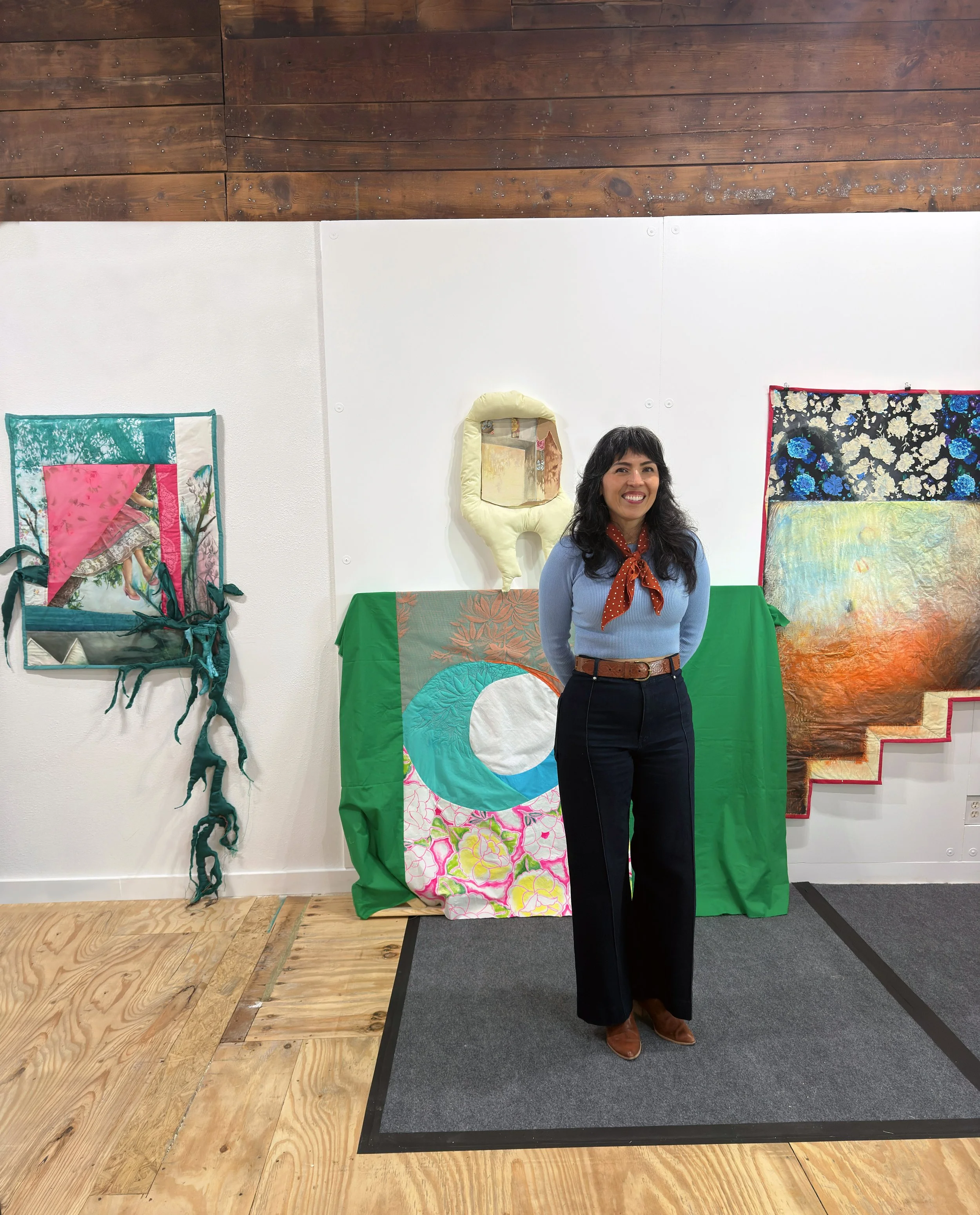
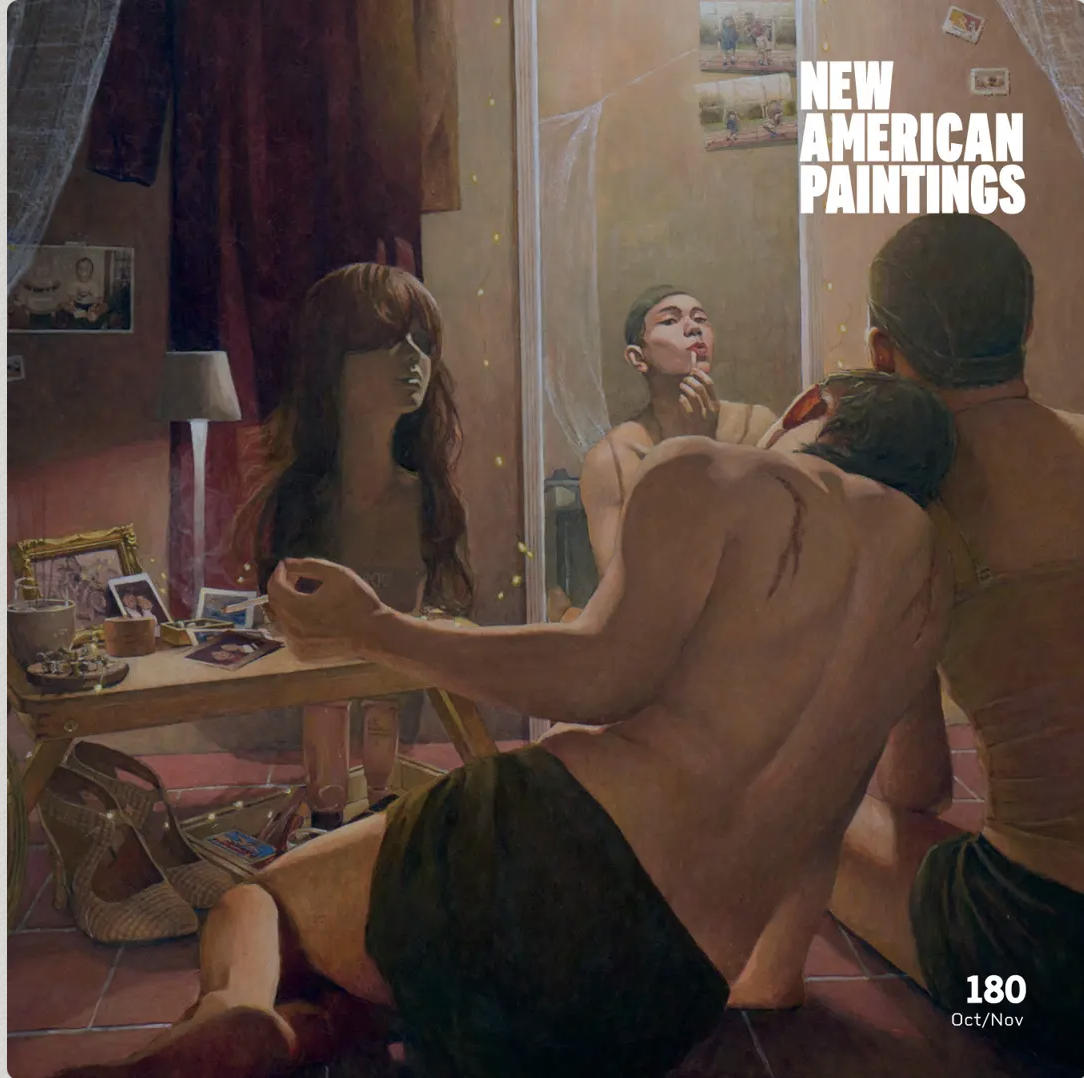
Cortez Gonzales earned her BFA in painting from the University of Texas at Arlington, and both her MA and MFA in painting from the University of Dallas. Her work has been featured in Maake Magazine, New American Paintings, and Arts and Culture Texas. She has exhibited at Nicole Longnecker Gallery , Anya Tish in Houston, Talley Dunn Gallery in Dallas, Presa House Gallery in San Antonio, TX, Untitled Art Fair in Miami, Dallas Art Fair, and The Armory Show in New York, NY. She has been awarded residencies from the Vermont Studio Center, Cuttyhunk Artist Residency, Anderson Ranch, Aspen, CO, and the Amon Carter Museum of American Art as a Community Artist. In 2023, she received the National Endowment for the Arts: Challenge America Grant. For over seven years, Cortez Gonzales served as a project manager for Fort Worth Public Art, where she oversaw major public art commissions, collaborated with artists and community partners, developed a mentorship program for emerging public artists, and advanced public engagement initiatives. She is the co‑founder of ArtHouse East, an artist‑studio cohort and gallery in East Fort Worth, and teaches as an adjunct professor at Tarrant County College and Texas Christian University.
Cortez Gonzales is represented by Keijsers Koning Gallery in Dallas, Texas.
Statement
My practice explores the gaps and partial transmissions through which cultural knowledge, language, and memory shift across generations. Working between two and three dimensions, craft and fine art, past and present I consider domestic space and material culture as sites where adaptation and loss are negotiated. Through layering, sewing, painting, and manipulation, I engage fragmentation, transparency, and repair. These strategies generate imagined, shifting narratives that allow the work to hold space for what has been lost while honoring what remains. In this way, material becomes memory, and making becomes a form of healing.